
Case study was originally published听颈苍听
Peter鈥檚 Note: We worked with Slawek and his team on digital product development this year as part of a program by the Thomson Media. It was quite the ride, so after a successful launch, I asked him if he was interested in writing up his experience. To be clear: while the underlying project was grant-funded, this essay is a fully independent editorial contribution. We鈥檙e publishing it simply because it鈥檚 a practical look at how to fix a broken product on a limited budget.
Thomson Media is a partner of the Media Innovation Europe Consortium led by the IPI. This is a case study from Thomson Media Business Innovation Synergizer programe grantee under Krytyka Polityczna.
I鈥檒l be honest: I haven鈥檛 had time to properly research who first wrote 鈥�I Told You I Was Ill鈥� on their tombstone. Legend says it鈥檚 Spike Milligan, but it鈥檚 December 2025, I鈥檓 a media manager in Central Europe, and I鈥檓 too busy writing an EU grant to fact-check epitaphs.
I鈥檝e been thinking about that tombstone a lot lately. Not just because leading digital product development at a legacy(ish) media outlet feels a bit like digging your own grave with a teaspoon, but because for a long time, I actually听was听ill. I just didn鈥檛 know it yet.
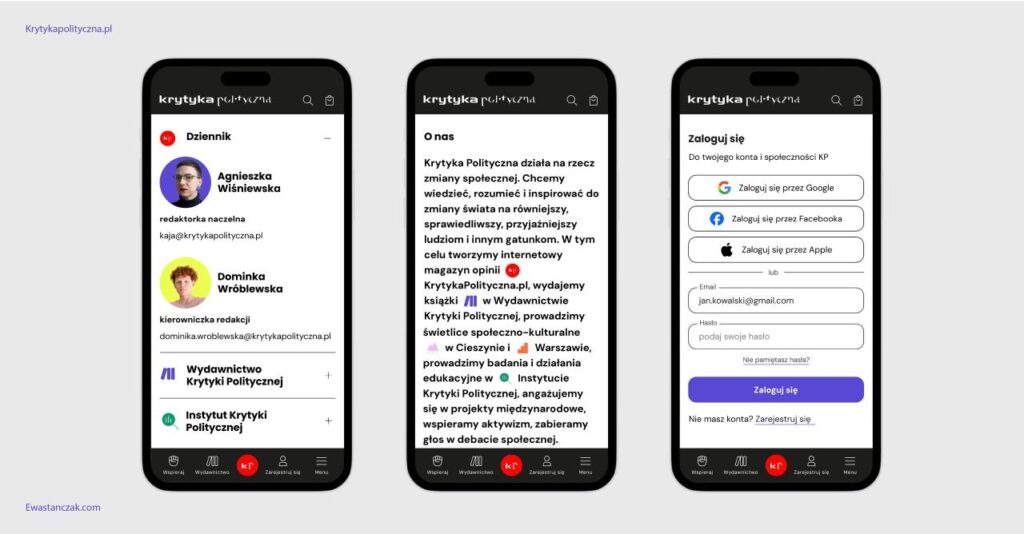
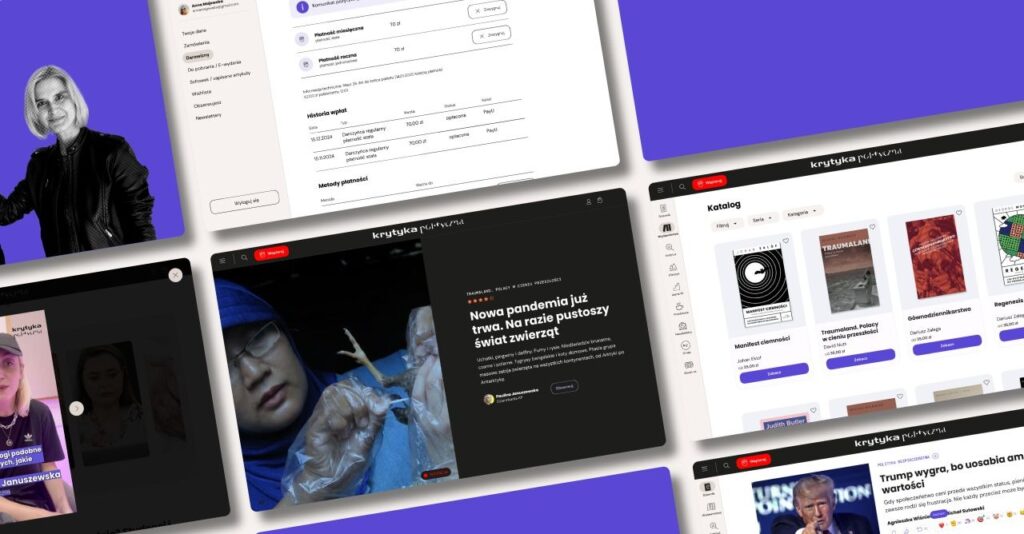
Two years ago,听, a Warsaw-based progressive outlet and cultural institution, asked me to lead its digital transformation. Last month, we finally launched the result: a single digital home for our journalism, books, research, and community. It boasts embedded e-commerce, first-party data analytics, and personalized delivery.
It looks awesome. But getting there required navigating a specific kind of hell that will be familiar to anyone who knows their Yiddish folklore.
It could always be worse
Krytyka听is a 23-year-old institution. At its peak, it employed over 60 people. But by 2024, the post-pandemic inflation had hit hard. Warsaw property prices reached 鈧�3,849 per square meter (on par with Rome), and median salaries jumped 40%. For a non-profit, this was a math problem with no easy answer.
The KP鈥檚 Board of Directors bore the brunt of the mayhem and had to reinvent the budget, desperately plugging leaking cash flows. We were feeling crowded, stressed, and underfunded, like the poor man living in a tiny, crowded hut with his massive family from one of my favorite Yiddish folk stories 鈥�It Could Always Be Worse.鈥� Miserable, he goes to the Rabbi for advice. The Rabbi tells him: 鈥淏ring the goat inside.鈥� The man thinks the Rabbi is crazy but does it. Life becomes a nightmare. He goes back. The Rabbi says: 鈥淣ow bring the chickens in.鈥� It鈥檚 total chaos. Feathers everywhere, the goat is eating the table. Finally, the Rabbi says: 鈥淣ow, take the animals out.鈥� The man does, and suddenly, his tiny hut feels like a palace.
In early 2025, the universe decided to bring听a goat听an Elon Musk inside.
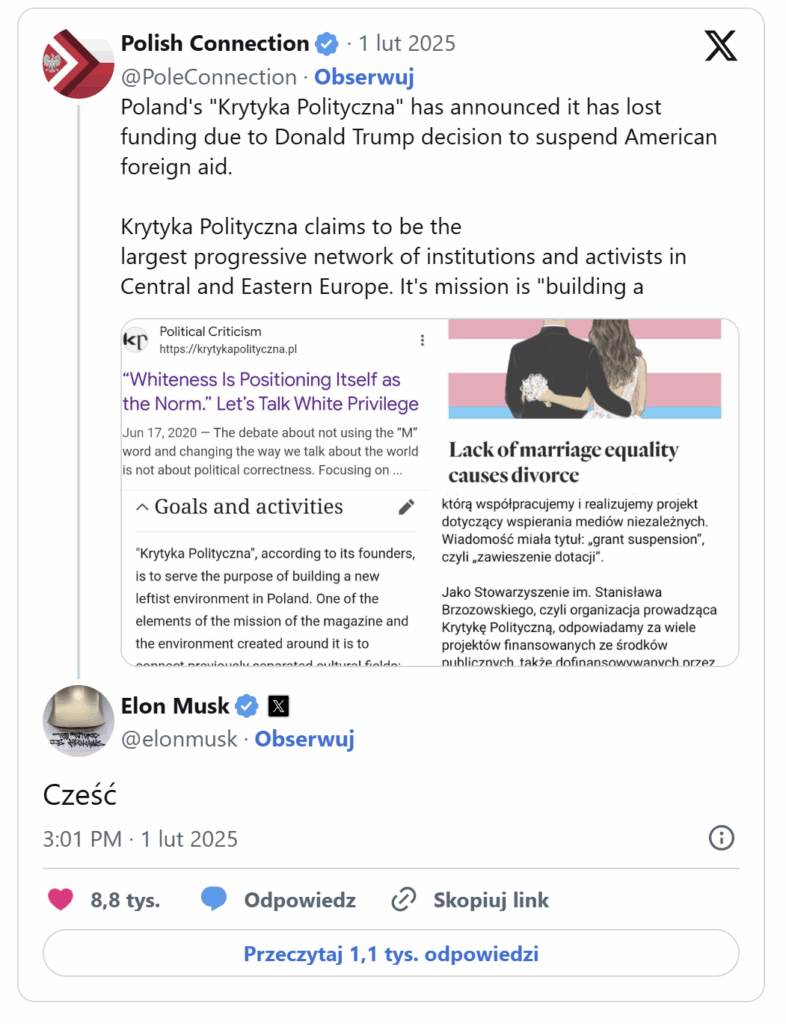
USAID suspended over 83% of its aid programs, and the 鈥淒OGE鈥� squad effect rippled into Europe. Krytyka lost roughly 鈧�100k in contracted programs overnight. We had to cut deep, letting go of friends and colleagues.
Suddenly, our previous struggles with inflation looked like the good old days.
Less is more鈥� as a value proposition
Back in 2024, our digital numbers were stalling. We had a 20-year-old institution trying to reinvent itself while bleeding cash.
We embarked on a two-year journey to fix this, backed by the Prague Civil Society Centre, Thomson Media, and European Cultural Foundation, to whom I will be eternally grateful for equipping us to do the job properly.
The first thing we realized was that听Krytyka听wasn鈥檛 unique; publishers generally struggle at alignment. Everyone inside an outlet is usually trying to win a different game at the same time. One team wants more clicks, another wants loyal readers, another wants to sell books, and another wants better event turnout. It鈥檚 like building a football team, but one player is playing basketball and another thinks it鈥檚 hockey.
My job as product lead was to force them to play the same sport. We started with a brutally honest list of internal pain points. Here is the original one from our meeting notes, unedited:
Problems:
- Many people in the databases; unable to filter and segment them.
- Many people in the database with whom we have no contact.
- Difficult to understand user needs and motivations.
- Donations not growing.
- Platforms not redirecting traffic; traffic falling.
- Publishing house鈥檚 clients disconnected from the rest of the organization.
- Client base stalling.
- Fuck Elon.
OK, I made the last one up.
To solve this mess, we needed to better understand our audience鈥檚 pain points, not just our own.
We brought in Pawe艂 Malko, a co-founder of听Gazeta Wyborcza, to act as our business advisor. Pawe艂 could have been in Zanzibar enjoying whatever successful people drink to cool down there, but instead, he joined our product team to teach us how to read user research.
The major audience study he ran revealed something baffling: more than half of our recurring donors didn鈥檛 actually read us regularly.
This was new to me, but not to Danuta Bregu艂a or Peter Erdelyi, other brilliant colleagues who advised us at different critical junctures. They knew what we were just figuring out: these people weren鈥檛 paying for content. They were paying for Krytyka to exist. They were paying for the mission, not some strictly transactional relationship.
We realized we needed to strip away the noise. We stopped offering pseudo-transactional 鈥渕embers-only鈥� extras that nobody wanted, like exclusive letters from people you barely recognize reminding you every month that you forgot to disable your recurring donation.
Instead, we embraced the reality that KP鈥檚 true offering is its mission, trust, and identity. Having an audience like this is a blessing and a responsibility. And now that we finally understood who we were building for, we could start designing the product they actually needed.
Vertical Growth
We pivoted to 鈥渧ertical growth鈥�, deepening relationships with existing users rather than chasing viral traffic. We needed to integrate our fragmented operations (books, journalism, events) into one seamless experience.
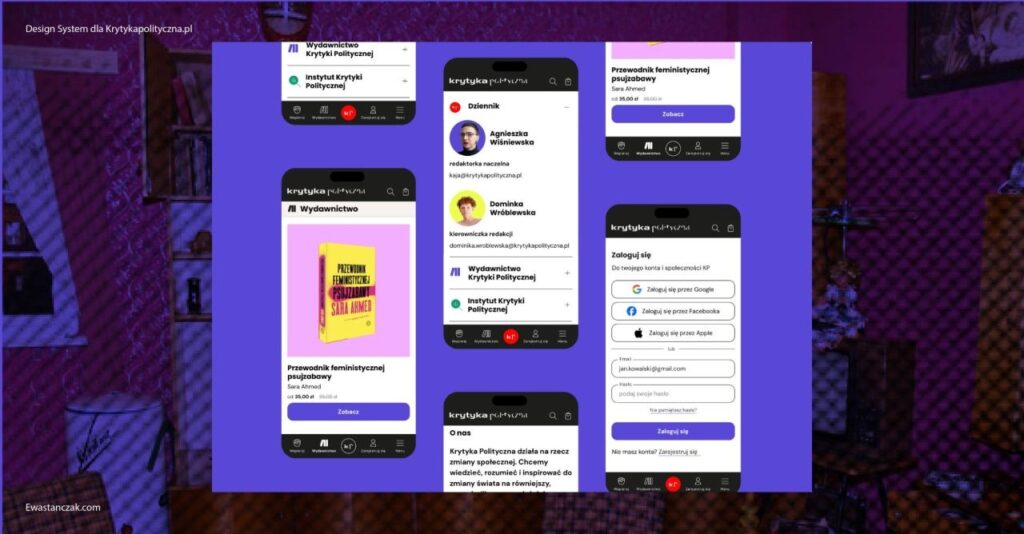
Here is exactly what we built to achieve that, and crucially, how we kept it cheap:
- One account to rule them all:听A single login gives access to journalism, book purchases, and event registrations.
- First-party data:听A custom CRM with marketing automation. We own the data, not a third-party platform.
- Integrated upselling:听We built our own payment gateway. When you buy a book, you can add a voluntary donation in the same checkout. The system splits the payment automatically in the background for accounting purposes.
- Ruthless efficiency:听It鈥檚 pure WordPress. Our total costs for third-party licenses (including e-commerce and newsletters) are 鈧�4k per year. We have no 鈥渟uccess fees鈥� punishing us for growth. We even managed to renegotiate a deal with a large payment provider 鈥� Do check your contracts; you may still be paying rates from 2022.
Author: Slawek Blich
Visuals in the case study were created by听.
Originally published in听 and republished on a platform of the Media Innovation Consortium partner Thomson Media.
Business Innovation Synergizer is a programme by Thomson Media, delivered as a part of听Media Innovation Europe,听led by the Vienna-based听International Press Institute听(IPI), the consortium brings together听(TM),听听听(TFF), and the听(BIRN). The programme is co-funded by the.
